
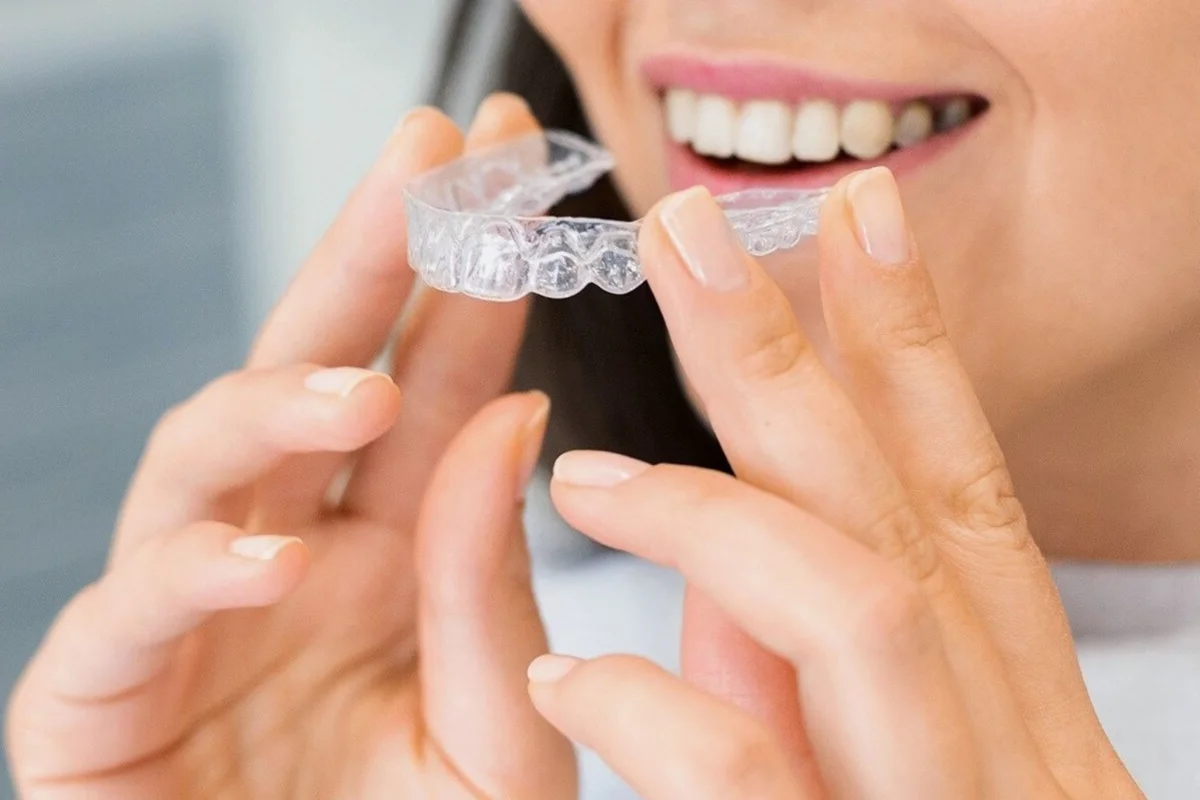
Straightening teeth is not limited to one stage of life. Teenagers and adults may be candidates for aligner treatment, although suitability depends on dental development, gum health, bite alignment, and the movements required. If you are considering Invisalign in Oakville, the first step is understanding whether removable aligners can address your concerns. Invisalign uses a series of clear trays to guide teeth through planned movements. The trays can be removed for meals and oral hygiene, but they must be worn consistently. Age alone does not determine suitability; a clinical assessment is needed to match the treatment to the person’s oral health.
Is Invisalign Suitable for Teenagers?
Some teenagers may be suitable for aligners, but dental development needs review. The dentist checks which permanent teeth have erupted, whether the bite is still changing, and whether planned movements are appropriate.
Teenagers must also follow the routine. Because aligners are removable, they can be misplaced or left out too long. Consistent wear, cleaning, and progress visits help keep treatment on track. Family support can help younger teens, but not every teenager is a good fit.
Can Adults Benefit From Clear Aligners?
Adults can have orthodontic treatment at many ages, provided their teeth and supporting tissues are healthy enough for movement. Existing dental work does not automatically rule out aligners, but it may affect the plan.
A dentist in Oakville can assess gum health, fillings, crowns, missing teeth, prior orthodontic treatment, and how the teeth meet. Untreated decay or active gum disease may need attention first. Some complex bite problems may be more predictable with braces or combined care.
What Happens During an Initial Assessment?
An orthodontic assessment determines whether aligners can move the teeth safely and achieve a functional result. It may include:
- Reviewing Your Goals: Discuss spacing, crowding, or bite concerns.
- Checking Oral Health: Examine teeth, gums, and restorations; address active problems first.
- Evaluating Your Bite: Check how the teeth meet and whether aligners can achieve the required movements.
- Taking Records: Photos, scans, impressions, or X-rays may be used when indicated.
- Discussing Options: Consider aligners, braces, or another approach.
A dentist near you can assess the movements needed rather than relying on appearance alone. The clinic offers Invisalign and traditional braces, but the suitable option depends on clinical findings and case complexity.
What Is Involved in Wearing Aligners?
Aligners are supplied in a sequence, with each set designed for a stage of tooth movement. Follow the prescribed schedule; changing trays too early or wearing them inconsistently can interfere with the plan.
Good daily habits include:
- Remove aligners before eating or drinking anything other than water.
- Brush and floss before putting the trays back in.
- Clean aligners according to the recommended instructions.
- Store them in a case when they are not being worn.
- Attend review appointments so progress and fit can be checked.
Some plans use small tooth-coloured attachments to guide movement. Refinement trays may be needed for further adjustments. Treatment time varies with case complexity and consistency of wear.
What Happens After Treatment?
Retainers are generally recommended after active treatment because teeth can shift over time. They help maintain the new positions and are an important part of orthodontic care.
The retainer type and schedule depend on the treatment plan. Follow the instructions and arrange a review if it becomes damaged or no longer fits. Do not force it into place.
Choosing an Approach That Fits Your Smile
Clear aligners can suit some teens and adults, but they are not the right choice for every alignment or bite concern. An assessment helps identify realistic options and the commitment involved.
Schedule a consultation with Rosegate Dental Centre to discuss your orthodontic goals and whether Invisalign may be suitable. A clear treatment plan can help you understand what to expect at each stage.
FAQs
At what age can someone begin clear aligner treatment?
There is no single age that applies to everyone. Dental development, the eruption of permanent teeth, bite concerns, and the ability to follow the plan all matter. An assessment can determine whether a teenager is ready or whether monitoring is more appropriate.
Can aligners correct an overbite or an underbite?
Some bite concerns can be improved with clear aligners, but the result depends on the type and severity of the problem and the movements required. More complex cases may be better managed with braces or a combined orthodontic approach after assessment.
Do clear aligners hurt when a new tray is started?
Some pressure or temporary tenderness may occur when changing to a new set because the trays guide tooth movement. Significant pain, sharp edges, or an appliance that does not seat properly should be reviewed rather than ignored or adjusted at home.
What happens if an aligner is lost or damaged?
Contact the dental clinic for instructions rather than automatically moving to the next tray or pausing treatment. The appropriate response depends on the stage of treatment, how long the tray has been missing, and the fit of the previous set.